Conceptual fiction books and the science fiction ideas behind them
Long reviews of science fiction books, filed by the sci fi concepts they turn on. Solaris sits with first contact, The Man in the High Castle with the histories that went another way.
Start with four booksFour books to start with
 Philip K. DickThe Man in the High CastleThe Axis won the war, and a banned novel imagines that it lost.↗
 Roger ZelaznyLord of LightColonists on a far planet use their machines to rule as Hindu gods.↗
 Philip K. DickVALISDick turns his own visions of 1974 into a novel narrated by a man split in two.↗
 Stanisław LemSolarisScientists circle an ocean that may be thinking and never learn what it wants.↗
Science fiction genres
Every review is filed under at least one of five genres, and many under two. The Man in the High Castle, for instance, belongs to alternate histories and to social systems.

About the reviews
ConceptualFiction.com reviews science fiction at length. A typical review gives a short account of the plot and then stays with the premise: what the book takes for granted about the world, where the idea came from, and which later novels picked it up.
A guide to conceptual fiction and science fiction books
What conceptual fiction means here
Conceptual fiction begins with an idea that changes the conditions of a story. The idea might alter history, make memory material, turn technology into religion, or bring human beings into contact with an intelligence they cannot comfortably interpret. Comparing sci fi concepts this way means asking less about how new an idea is and more about what it lets the characters do, or stops them doing.
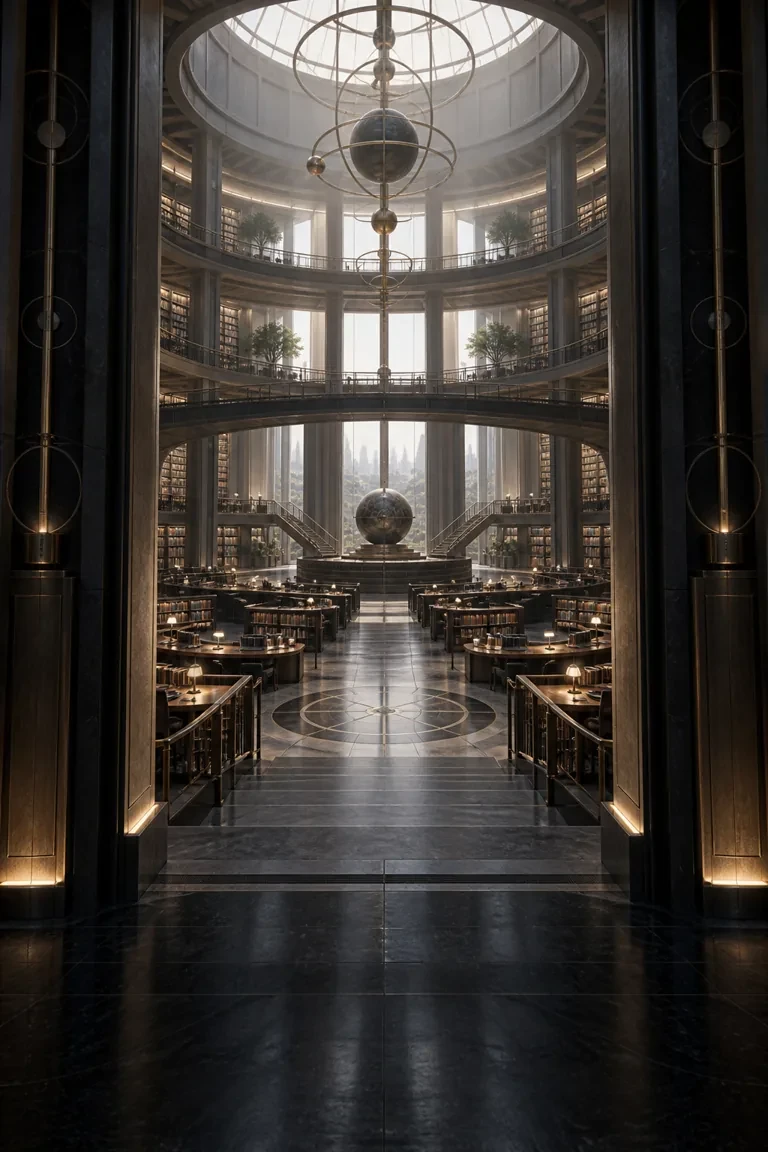
This library concentrates on science fiction books in which that structure remains visible. Reviews ask how a premise works and what it quietly takes for granted. The catalogue is sorted by idea, so the most influential sci-fi books turn up next to the novels that argued with them, which a ranked list has no way of showing.
Where to start
The four books at the top of this page are good first reads, each for a different reason. The Man in the High Castle uses alternate history to disturb the idea of an authorised reality. Lord of Light turns access to technology into a system of divine privilege. VALIS makes interpretation itself unstable, while Solaris removes the promise that first contact must produce understanding. All four appear on most lists of the most influential sci-fi books, and they have very little else in common.
You can also browse all science fiction genres. Alternate histories, reality and simulation, first contact, posthuman futures, and social systems are the library’s current genres. A book may appear on more than one shelf because speculative traditions overlap: a changed history can also reveal a social system, and an alien encounter can become a crisis of perception.
Writers and reading paths
The author catalogue gathers reviews around the recurring questions of individual writers. Philip K. Dick repeatedly tests the boundary between authentic and manufactured experience. Stanisław Lem examines the limits of knowledge and communication. Roger Zelazny places technical systems inside mythic language.
For a guided order, try the reading paths. There are three so far. One begins with The Man in the High Castle and asks who gets to write history; the other two begin with Solaris and Lord of Light.
Common questions
Is conceptual fiction the same as science fiction?
Nearly every book reviewed here is science fiction, so in practice the two overlap. Conceptual fiction names a way of reading: the review starts from the idea that alters the world of the story, whether that is a new technology, a history that went differently or a mind nobody can read.
Can a book belong to more than one genre?
Yes. The genres overlap, and a book can belong to several of them. Solaris, for example, belongs both to first contact and to reality and simulation because its alien encounter also transforms memory and perception.
Do the reviews include book summaries?
Most do, usually near the start and only as much as the discussion needs. The rest of a review goes to the book’s ideas and to the other novels it can be read against.
Who writes Conceptual Fiction?
New reviews and essays appear under the collective byline Conceptual Fiction Editors. Older reviews in the archive keep the name of the critic who wrote them.
Enter the complete archive stacks
Recent articles on science fiction
- Online Casinos in India: Evolution Dictated by Science Fiction
Science fiction has the tendency to predict future developments in various spheres, and online gambling is no different. Nowadays, the authoritative online casinos in India have features that look straight out of a sci-fi film and it’s worth exploring how this genre of fiction already affects the industry and what its full potential might be.
- 10 Best Mind-Bending Sci-Fi Movies Based on Books
Are you ready to have your mind blown? Look no further than these 10 incredible movies based on Sci-Fi books. From time-traveling adventures to dystopian societies, these films will have you questioning the nature of reality itself.
- Classic and Contemporary Authors – a Review
Introduction Science fiction has always been a fascinating genre, taking readers on incredible journeys through time, space, and alternate universes. From classic works by authors like Jules Verne and H.G.
- The world of Sci-Fi: A Journey Through Imaginative Worlds and Futuristic Technologies
Science Fiction is a genre that has fascinated readers for decades, transporting them to far-off worlds and showcasing futuristic technology and scientific concepts beyond our wildest imagination. But what exactly is Sci-Fi literature, and what are its defining characteristics? In this article, we aim to explore the definition and characteristics of Science Fiction literature, as well as its various sub-genres.
- The Emergence of Sci-Fi Literature – Exploring the Origins
The emergence of sci-fi literature marks a turning point in the history of literature. It is a genre that has captured the imaginations of readers across the globe for over a century.